Roof Asset Management in Pembroke Pines, FL
Manage Pembroke Pines roof assets with located repair history, current assembly findings and clear decisions for retained material and the next work package.
A flashing repaired beside an older equipment curb can leave the adjacent roof's condition unresolved even when the rebuilt connection is accepted. The asset record needs that distinction before the next budget decision. Commercial Roofers Pembroke Pines provides roof asset management in Pembroke Pines, FL by connecting located inspection findings with the work completed and material left in service. We preserve the boundaries of each intervention so an asset manager can review the next work package without treating one accepted repair as renewal of the surrounding assembly.
Office development along the SW 145th Avenue Office Corridor provides one operating setting. Warehouse and flex uses in the Chapel Trail Commercial Area provide another. We discuss the actual building's use, access and roof equipment alongside its examined construction. The ownership history retains those arrangements with current defects and completed actions, giving the next person responsible for the roof a specific basis for maintenance, investigation and capital decisions.
Roof areas retain separate construction histories
The record identifies recognizable elevations, additions and different coverings within the property. Each area can have its own installation information and repair history. We locate shared drains, walls and equipment connections where they affect another section. Those relationships help explain why work on one roof can require attention at a receiving area or adjacent interface. A whole-property entry should not hide the construction boundary needed to locate the next correction.
A baseline assembly examination identifies accessible condition and the concealed questions requiring further assessment. Available drawings and earlier invoices remain attributed to their records. They do not become newly observed layers without an appropriate examination. We identify the source of each assembly description and the confirmation needed where the proposed intervention depends on support or moisture condition that has not yet been established.
Accepted work changes a defined footprint
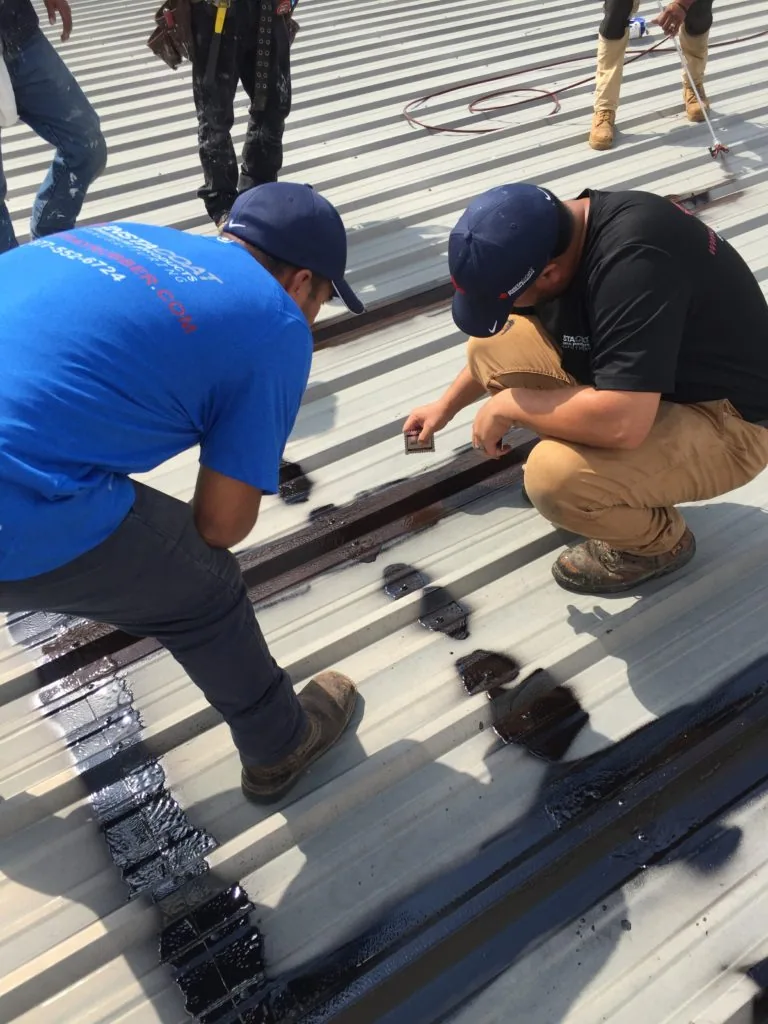
A completed repair needs its original location, removal boundary and finished connection recorded. We retain preparation findings and photographs of material the final surface will conceal. The entry identifies surrounding components that remained outside the work. The asset manager can then distinguish an accepted correction from an adjacent layer still under observation. This matters when another water report appears near earlier work but its route or affected construction differs.
A report of located roof findings provides the starting evidence. The repair entry shows which finding was resolved and which question remained conditional. If an opening exposed a wider affected area, the expanded scope belongs with its actual findings. We also identify any temporary connection requiring later completion. The history should explain whether a construction stage is permanently closed or still protected pending another work package.
Equipment changes enter the roof record
A new unit or altered support can affect curb height, penetrations and access around a roof connection. We review those interfaces before roofing is opened and record the preparation needed for closure. Different trades need clear responsibilities for the support and waterproofing. The asset record retains the changed detail and any concealed findings that altered the original proposal. An equipment invoice alone may not show which roof connection was rebuilt.
Equipment-support roof work should identify retained material and the accepted finished interface. Later traffic routes or added services can affect it again. We discuss how the owner can retain those changes with their roof locations, including separate roofing work needed to close an alteration. The next examination can then compare current condition with the actual assembly history instead of reconstructing the alteration from the new unit's presence.
Observation stays connected to the finding
A monitored condition needs a reason for follow-up and the examination required. We identify the accessible defect, its surrounding construction and the change that should prompt further action. New water entry or a changed component can justify another visit. A routine maintenance interval should not substitute for the specific response needed when the observed condition changes. The asset manager receives the basis for that response with the current roof entry.
South Florida's wet season generally runs from mid-May through mid-October, bringing frequent showers and thunderstorms. Weather planning affects how an investigative opening is protected, but regional rainfall does not establish a particular property's damage. We retain the condition actually found and the protection proposed. A maintenance sequence for the retained assembly can keep accessible drainage and details under review while defects requiring more than upkeep remain separate.
The next amount uses current evidence
The ownership history can help identify recurring work at a connection and changes elsewhere in the roof. We review those patterns against present findings before recommending another intervention. Several past repairs may justify a wider examination. They do not establish a complete replacement boundary on their own. The record identifies the investigation needed and the concealed question it must resolve before the asset manager reserves money for a larger package.
A condition-led capital decision compares retaining suitable material with removal of affected construction. We keep allowances attached to their assumptions and identify interim repairs where capital work is deferred. Roof age remains useful history without becoming a fixed replacement promise. Changed operating space, new equipment or another concealed finding can affect an earlier plan. The record explains why those changes require reviewing the proposed amount or work sequence.
The handover preserves unfinished decisions
A new asset manager needs current findings, accepted work and unresolved tasks located on the roof. The history should identify the next action and its reason, with access and protection arrangements available. We explain how new observations enter that record. An old photograph can support comparison, but it cannot establish that a connection remained unchanged after later equipment or wall work. The record retains the alteration before the next inspection interprets the detail.
For roofing above office space, the owner may need coordination with occupied rooms and building equipment. Keep those actual arrangements with the roof history. Warranty documents also need their roof-area references and stated procedures retained. We identify further examination or document confirmation needed without implying that the existence of an earlier record resolves the present condition. The handover then supports a deliberate next decision even when personnel change.
Identify who holds the roof record and who can authorize the next action. Those responsibilities keep an unresolved finding available when the building needs another examination.
Commercial Roofing Questions
Where should asset management begin when construction history is incomplete?
Begin with identifiable roof areas and current accessible condition. Retain available records with their source and identify concealed questions separately. We recommend arranging the examination needed where the next intervention relies on an unverified layer rather than assigning an installation history that the owner cannot support.
How should a repaired leak change the record?
Record its actual work footprint, preparation and accepted closure. Adjacent retained components keep their own condition and unresolved questions. The asset manager should be able to distinguish the rebuilt connection from roofing outside the scope when reviewing another water report or proposing later capital work.
Should equipment alterations be included even when roofing work is small?
Retain changes affecting penetrations, curbs, drainage or roof traffic. Identify the waterproofing completed and the responsibility for its acceptance. A small alteration can change a previously repaired interface, so the next inspection needs that history before interpreting the current condition.
What belongs with a task left for follow-up?
Keep the located finding, the next examination and the condition that should prompt it. Include access or protection still needing agreement. We recommend separating monitoring, investigation and permanent work so a completed maintenance visit does not erase a different unresolved roof decision.