EPDM Commercial Roofing in Pembroke Pines, FL
Assess EPDM roofing in Pembroke Pines with taped-seam condition, flashing movement, compatible repairs and a clear retention or replacement recommendation.
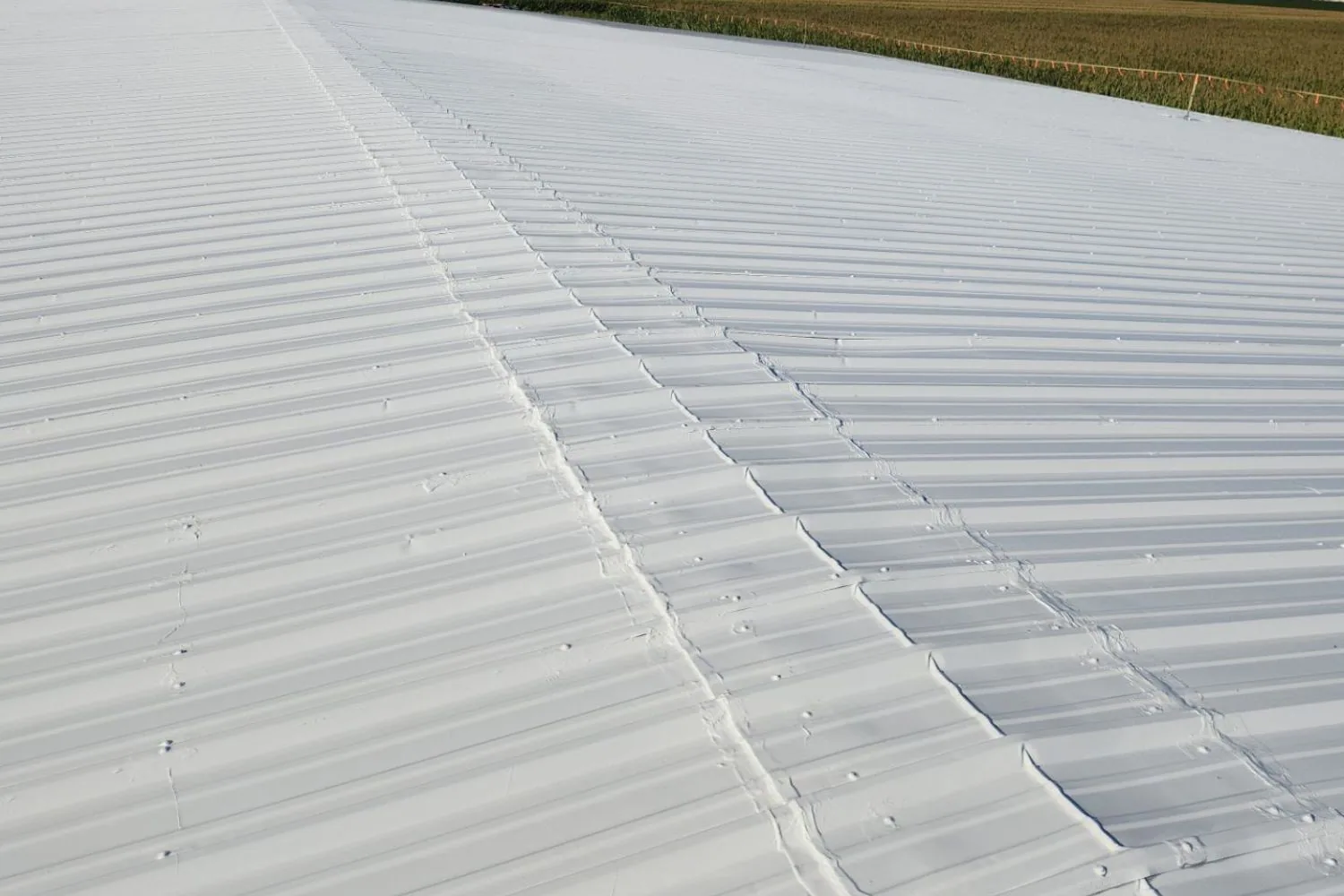
A lifted tape edge beside intact EPDM membrane can identify a seam repair, but its surface condition and support still need examination. The next correction depends on whether suitable rubber remains available for preparation and bonding. In Pembroke Pines, FL, we evaluate EPDM roofing from those material findings and the condition of its details. The owner should understand why one area can be retained while another needs removal before a reliable connection is made.
EPDM is a rubber roofing membrane whose seams and many repair details use compatible bonding materials rather than the heat-welded field connections of thermoplastic systems. We identify the installed assembly and previous treatments before proposing work. Comparing EPDM with TPO roofing requires attention to those installation differences as well as the supporting roof, equipment and drainage conditions.
Prepare a suitable bonding area
Seam and patch preparation needs material in a condition suitable for the selected EPDM products. Dirt, weathering and old repair compounds can interfere with a new connection. We assess the area and identify the cleaning, preparation or removal required to reach an acceptable boundary. A larger patch does not necessarily solve contamination if it still relies on the same unsuitable material beneath its edge.
The supporting assembly also matters. A seam that repeatedly moves over damaged insulation needs correction of that support, not just fresh tape. We examine the condition around the visible opening and investigate concealed material where the findings warrant it. The repair scope should distinguish restoration of the membrane connection from removal of affected insulation so the owner understands both construction needs and their relationship.
Movement concentrates at transitions
Roof fields, walls and equipment components can move differently. EPDM flashing needs an appropriate arrangement at those interfaces, with suitable securement and material geometry. We examine corners, terminations and the condition around penetrations before selecting the correction. Stretching new material across a deficient support can leave the same stress concentrated at a new patch edge.
For a pipe or curb connection, we review whether the component is stable and whether the available flashing height remains workable. New roof buildup can change that relationship even where the unit itself remains serviceable. We coordinate penetration flashing work with necessary equipment or support changes. The owner receives a correction to the assembled detail rather than a surface treatment that leaves its geometry unresolved.
Water paths still need examination
Drainage performance is a roof geometry and outlet question as well as a membrane condition question. Water collecting beside a repaired seam can continue to expose nearby details to the same condition. We examine the collection area, debris route and outlet connection. A continuous rubber surface does not establish that the discharge arrangement is functioning as intended or that the supporting material beneath it is dry.
Where a low area needs correction, insulation changes may need design and detail review before installation. We compare finished elevations with curbs and perimeter terminations so the water path and membrane connections remain compatible. A modified bitumen alternative does not eliminate that geometry question either. Material comparisons should address the same drainage limitation rather than present a different membrane as a substitute for correcting it.
Assess heat within the building decision
EPDM systems are available in different surface configurations, and the selected assembly needs evaluation for the property's operating objectives. The local observing station in Pembroke Pines records normal July daytime highs of 91 or 92 degrees Fahrenheit. That local context makes heat exposure worth examining, while the building outcome also depends on insulation, cooling operation and internal loads. We do not convert a membrane color into a predicted operating saving.
A reflective surface, insulation change or another suitable assembly can be considered where an energy objective is part of the capital decision. The construction comparison should still identify affected material, attachment and detail work. We distinguish the roof condition requiring correction from a separate energy-assessment question, so the owner knows which benefit the proposed work establishes and which needs project-specific analysis.
Local access informs the work
Commercial uses and multifamily development share the Palm Avenue City Center Redevelopment Area. EPDM repair at a property there may involve coordinating occupied rooms and shared access beneath a limited opening. Preparation and bonding also need conditions suitable for the selected materials. We discuss those requirements before scheduling a correction that appears compact from the roof but can affect a sensitive operating area below.
US 27 and Interstate 75 provide access to industrial properties in the city's northwest area. Loading routes, stored goods and equipment access can influence the installation sequence at those properties. For work in the Northwest Pembroke Pines Industrial Area, we identify suitable material handling and closure limits. Wet-season thunderstorms in South Florida can change those limits, making temporary protection part of the daily construction decision.
Retention needs a stated basis
EPDM repair may be appropriate where defects are localized and surrounding material can accept a compatible correction. Distributed seam deterioration, affected insulation or unsuitable details can justify a broader package. We evaluate that condition and identify the material proposed to remain. A recover assessment also needs review of existing layers, moisture and the proposed attachment, rather than acceptance based solely on the membrane's apparent continuity.
Pembroke Pines is in the High Velocity Hurricane Zone. Applicable assembly requirements need attention during new installation or relevant alteration, including perimeter connections and the attachment path. We identify design or approval questions requiring further review before committing the scope. The repair recommendation remains grounded in the actual assembly instead of assuming that the existing roof establishes every requirement for the next work package.
Preserve the condition record
Completed-work documentation should identify the connection corrected, affected material removed and adjoining areas retained. That distinction is useful when later equipment work or moisture reports prompt another examination. A new concern may be at a different penetration even if it lies near the earlier repair. Locations and photographs help the manager evaluate that difference without relying on a general memory of the roof visit.
We connect the record with appropriate preventive maintenance so drainage, service routes and material condition remain attended to. Later repair products must stay compatible with the installed system. The owner should retain enough information to avoid an improvised correction that contaminates a future bonding area. A managed EPDM roof needs suitable ongoing detail work as well as a sound original field membrane.
Commercial Roofing Questions
Can separated seam tape be replaced locally?
A local correction may be suitable where the surrounding membrane and supporting material can accept it. We assess condition and preparation before selecting the repair boundary. Old contamination or damaged insulation can require a wider scope. The new connection should address the reason for separation where it is established, rather than simply cover the lifted tape with another layer.
Why does a small patch need careful cleaning?
The repair depends on a suitable bond to the retained rubber. Surface condition and prior products can affect that connection. We examine and prepare the area using materials appropriate to the system. Where preparation cannot leave an acceptable bonding surface, the boundary needs to change. A compact repair can be reliable only when its connection is supported by suitable retained material.
Should all old EPDM roofs be replaced with another system?
Material selection follows condition and project requirements, not the membrane name alone. Some EPDM assemblies can remain serviceable with defined repairs and maintenance. Others need broader work because of distributed deterioration or unsuitable underlying components. We compare those findings with the construction each option requires, giving the owner a reasoned choice rather than a universal recommendation to change systems.
How should rooftop changes be handled?
New supports and penetrations need compatible details and appropriate coordination before they disturb the roof. We assess affected areas after equipment work and identify damage or altered connections. Service routes may need protection suited to the membrane. Keeping those changes in the building record helps later maintenance personnel preserve suitable repair surfaces and understand where the assembly has been modified.