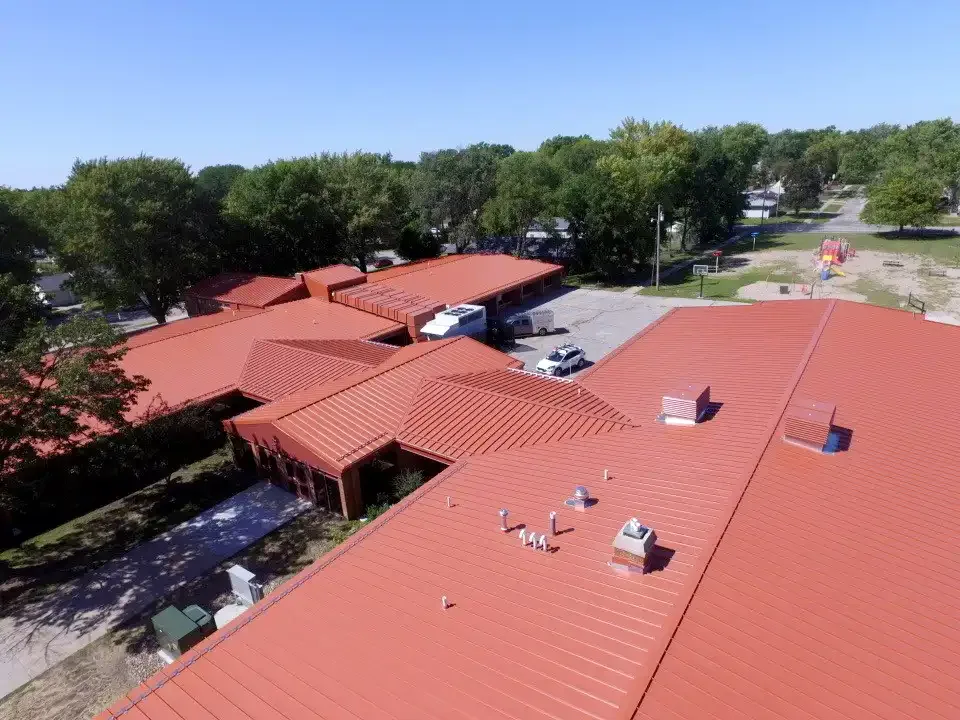
KEE Commercial Roofing in Pembroke Pines, FL
Evaluate KEE roofing in Pembroke Pines with membrane condition, welded detail review, exposure suitability and a complete substrate and attachment scope.
A weathered membrane beside a sound welded detail raises a retention question that the material name alone cannot answer. The field and connection can have different conditions, and both need examination before another repair is selected. In Pembroke Pines, FL, we assess KEE roofing through the installed assembly and the exposure the proposed work must address. An asset manager should receive a material recommendation connected to those findings, rather than a premium-product label without a construction scope.
KEE roofing uses ketone ethylene ester within thermoplastic membrane formulations, with details and welding requirements specific to the selected system. We identify the installed material, substrate and prior work before planning repairs. A comparison with PVC membrane roofing should account for the actual product requirements and complete assembly, not assume that related materials can be joined or substituted without evaluation.
Identify the installed membrane
Existing records and markings can help establish the roof material, but prior repairs may introduce another product at the connection being examined. We inspect that interface and identify where compatible new work can begin. A clean-looking surface is not enough to establish repair suitability. Material condition, contamination and preparation needs should be resolved before choosing the patch or reconstructed detail.
Uncertain identification can affect the recommendation and its timing. We explain the information needed and any examination necessary to establish a suitable method. The owner should not approve a connection based on an assumption that all thermoplastic membranes behave interchangeably. A measured repair decision starts with the installed assembly and the materials that the selected system permits for the correction.
Exposure needs product-specific evaluation
Chemical or equipment discharge concerns require identification of the actual substance and the roof area exposed to it. A general description of membrane chemistry cannot establish suitability for every service condition. We review the selected system requirements and coordinate with equipment personnel where the discharge itself needs correction. The roof scope should address that source of exposure alongside its effect on the membrane.
Heat and sunlight also form part of the service context. The Pembroke Pines weather station has normal July daytime highs between 91 and 92 degrees Fahrenheit. That observation supports considering exposure without assigning a service-life prediction to the roof. Surface properties, insulation and operating conditions all influence the building decision. We separate suitable construction from an energy or durability claim that would need additional project-specific evidence.
Welded details require sound connections
A separated seam can involve unsuitable preparation, damaged material or movement in the surrounding assembly. We examine the visible defect and its support before recommending a correction. A compatible weld needs material suitable for the selected repair method. Where contamination or deterioration prevents that connection, a wider removal boundary may be necessary, even if the original opening appears small.
Corners, curbs and terminations require geometry that permits proper detailing. A patch over a deficient support can leave the same stress active at another edge. We compare the membrane finding with the component's condition and identify necessary coordination. Flashing reconstruction should address that assembled interface rather than merely add a new surface over an unresolved movement or height problem.
The concealed material controls retention
A sound-looking KEE field can remain above affected insulation or an uncertain deck. We examine leak reports and surface observations, then identify whether selective investigation is needed. Suitable moisture investigation can help direct confirmation, but a thermal indication still requires interpretation. The work package should distinguish established affected material from a roof area whose concealed condition remains unresolved.
For a recover or localized repair, that distinction changes what can remain. Extensive affected material or unsuitable layers can make retention less practical even where portions of the membrane are serviceable. We compare the required construction with a TPO assembly option where another system is appropriate to evaluate. Each alternative should address the same removal, substrate and detail findings before the owner compares their membrane characteristics.
Attachment and drainage need a shared scope
The roof's attachment path involves the membrane, supporting layers and deck connections. Pembroke Pines is in the High Velocity Hurricane Zone, so the relevant assembly and perimeter requirements need review for the proposed work. We identify unanswered attachment or design questions and coordinate their assessment before selecting the configuration. A membrane formulation by itself does not resolve those requirements.
Water paths deserve the same attention. A new field or cover board can change elevations near drains and equipment, while an existing low spot may remain unless correction is included. We examine the geometry and identify whether an outlet repair or further drainage design is needed. The capital scope should explain how the selected assembly connects with its discharge and flashing details, rather than specify a field material with those interfaces left unsettled.
Local occupancies influence the phase
Mixed commercial and multifamily development characterizes the Palm Avenue City Center Redevelopment Area. A roof project there may need coordination with separate occupants and sensitive rooms under the proposed work. We identify access, equipment restrictions and the practical protection needed for each phase. Those operating conditions affect how the assembly can be opened and closed, even where the membrane installation itself is straightforward.
The city identifies industrial properties concentrated in its northwest portion, with US 27 and Interstate 75 providing access. At a property in the Northwest Pembroke Pines Industrial Area, loading and inventory needs may shape material movement and interior protection. South Florida wet-season showers and thunderstorms also affect the opening limit. The selected work sequence should support suitable preparation and closure under those actual conditions.
Keep the recommendation condition-led
Localized correction can be reasonable where the membrane and adjoining assembly remain suitable. Broader work may be needed where failure is distributed or several connected details require removal. We identify the findings supporting that boundary and explain any further investigation needed before the scope is final. The owner can then compare retention with another assembly from a defined construction basis rather than a general hierarchy of product names.
The completed record should identify installed materials, corrected areas and maintenance needs. A planned maintenance program can examine outlets and details while tracking later equipment changes. Suitable repair materials should remain identifiable for future work. A managed KEE roof benefits from that continuity because later improvised treatments can make an otherwise localized correction more difficult to connect to the retained membrane.
Commercial Roofing Questions
Can another thermoplastic membrane be used for a KEE repair?
Compatibility must be established for the installed material and proposed method. Similar appearance or a related product description does not settle that connection. We identify the roof and assess the available repair surface before choosing the materials. The owner should receive a correction supported by the selected system requirements rather than an assumed interchangeability between different membranes.
Is KEE the answer to every chemical exposure?
The actual substance, concentration and service condition need evaluation with the specific system. We examine the affected roof area and coordinate any equipment issue producing the exposure. A product-specific review can inform material selection, while the construction scope still needs suitable support and details. A general membrane description should not become a universal resistance promise for an unidentified discharge.
Why might a repair require wider removal?
The surrounding membrane or insulation may be unsuitable for a reliable new connection. We examine the defect and identify a boundary that reaches acceptable material. Contamination, movement or concealed moisture can change that extent. The scope should explain the finding that drives removal instead of assuming that the visible split defines every component needing correction.
What should an owner compare with another system?
Use the same substrate, attachment, drainage and equipment-detail assumptions, then evaluate the materials against the actual exposure and maintenance requirements. We explain the installation consequences of each suitable option. A material comparison is less useful if one proposal retains uncertain insulation while another corrects it. The capital decision should follow the complete roof package needed for the property.