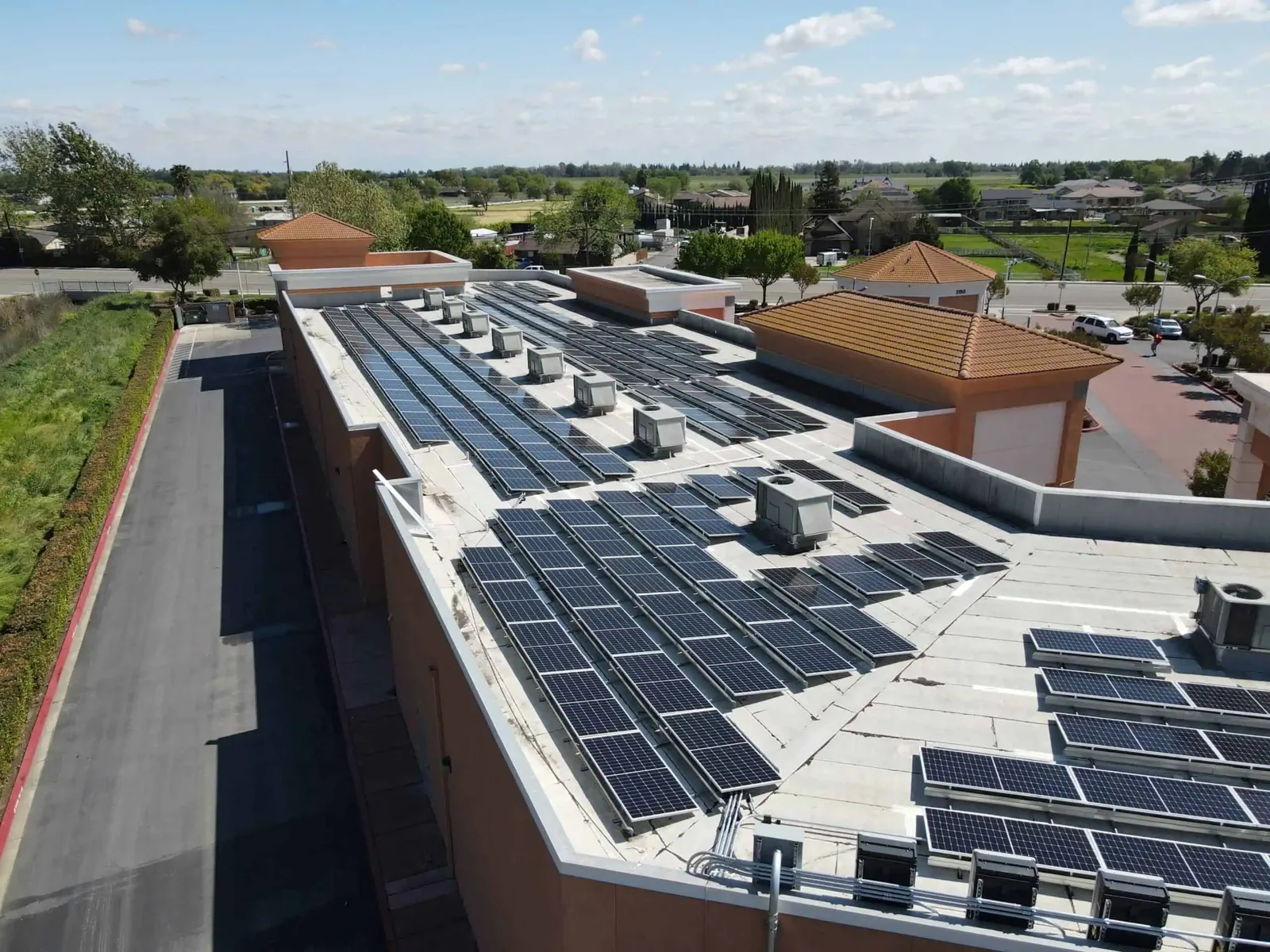
Cool Roof Installation in Pembroke Pines, FL
Assess cool roof installation in Pembroke Pines with reflective surfaces, insulation review and a complete assembly suited to the building’s roof conditions.
A darkened, weathered roof surface can make reflectivity part of the capital discussion, but the material beneath it still controls the construction needed. A bright finish over affected insulation leaves the concealed problem unresolved. In Pembroke Pines, FL, we evaluate cool roof installation as a complete assembly decision. The owner should understand how the reflective surface fits moisture condition, drainage, insulation and the building's operating needs.
A reflective roof can reduce absorption of solar energy at the surface compared with a less reflective surface under similar conditions. The effect on the building depends on the full roof and its use, not surface color alone. We examine the existing assembly before recommending a replacement package, restoration or another suitable option. The recommendation addresses the condition requiring work as well as the desired surface characteristic.
Separate surface performance from assembly condition
Reflectance and thermal emittance describe surface properties relevant to how the roof receives and releases heat. They do not establish the dryness of insulation, the integrity of seams or the condition of the deck. We examine those components and identify unsuitable material before selecting the finish. A proposal should not substitute a reflective surface for the removal or reconstruction an affected assembly actually requires.
Existing roof condition can support different approaches. A suitable membrane may be considered for restoration after preparation and detail correction, while a deteriorated assembly may need replacement. We compare coating restoration with other work using the same findings. The useful distinction is the construction needed to leave a serviceable roof, rather than an assumption that all reflective options achieve the same result over any substrate.
Local heat gives the decision context
At the Pembroke Pines observing station, July daily maximum-temperature normals range from 91 to 92 degrees Fahrenheit. That provides local context for considering heat exposure, but roof surface temperature also responds to sunlight, material, wind and other conditions. We discuss the reflective surface as one part of the assembly rather than convert an air-temperature normal into a roof-temperature prediction or an energy-savings promise.
The building's insulation, cooling operation and internal loads influence what a surface change may mean in practice. An energy assessment can evaluate that question where it affects the capital decision. We identify the roof information needed for that review and separate it from construction findings. The owner can then consider operating objectives alongside the repair or replacement scope without being offered an unsupported reduction in utility costs.
Choose the system for its full requirements
Reflective membranes and coatings differ in their installation methods, substrate needs and detail connections. A TPO roof system requires a suitable assembly and seam installation, while a silicone coating system depends on appropriate preparation and a suitable retained roof. We examine the available options against the actual substrate and roof geometry before treating their surface appearance as the deciding consideration.
Attachment, cover board and flashing also belong in the comparison. Pembroke Pines lies in the High Velocity Hurricane Zone, so applicable assembly and perimeter requirements need review. The current Florida Building Code, 8th Edition (2023), also includes Energy Conservation provisions relevant to the project. We evaluate those requirements with the physical details, keeping the installed roof's performance and construction obligations connected to the selected scope.
Drainage and traffic remain material issues
A reflective surface generally follows the geometry beneath it. Persistent water areas still require drainage assessment, and a coating or membrane choice should account for the conditions it will experience. We examine outlets, low spots and equipment obstructions before recommending the assembly. A heat-related objective does not remove the need to correct a water-control problem that would continue under the new finish.
Rooftop service routes also affect the surface over time. Equipment work, debris and contamination can alter appearance or damage material. We identify appropriate access protection and maintenance needs for the installed system. The capital scope should explain how operating personnel can service equipment without creating repeated roof damage. Maintaining the actual assembly is more useful than treating its initial brightness as the only condition worth preserving.
Operating use changes the installation plan
Office properties in the SW 145th Avenue Office Corridor can require coordination with tenants and equipment serving occupied rooms. A proposed reflective replacement still needs a removal sequence, protected openings and suitable material handling. Where restoration is appropriate, cleaning and application have their own operating constraints. We discuss those requirements before presenting the chosen approach as a simple change of roof surface.
Chapel Trail includes warehouse and flex properties, where loading activity, inventory and rooftop equipment can influence staging. A project in the Chapel Trail commercial area should account for those conditions along with material suitability. South Florida wet-season thunderstorms can restrict openings or application periods. We plan the work so insulation and prepared connections receive appropriate protection while the intended system is installed.
The budget should identify the real benefit
Compare proposals using the same treatment of affected material, insulation, drainage and details. A less extensive scope may appear attractive because it leaves a concealed issue unresolved rather than because the reflective option itself is more economical. We explain the construction differences and distinguish any operating-performance assessment from the installation recommendation. The owner should know which benefit follows from correcting the roof and which remains a question for the building's energy analysis.
A roof capital plan can preserve those distinctions after construction. We document the selected assembly and maintenance needs so later decisions can compare the roof's condition with its intended use. Equipment changes or new penetrations may warrant another examination. The reflective surface remains part of a managed roof asset, with drainage, attachment and flashing still requiring deliberate attention throughout its service.
Commercial Roofing Questions
Will a reflective roof lower our cooling bill?
Surface reflectivity can affect solar heat absorption, but the building outcome also involves insulation, equipment, operating schedules and internal loads. A project-specific energy assessment is appropriate where savings are central to the decision. We provide roof information for that review and explain the construction scope. We do not assign an unsupported reduction to the property based solely on changing its roof color.
Can the existing roof be made reflective without removal?
Restoration may be considered where the existing assembly is suitable to retain and the proposed coating can be installed on an appropriately prepared surface. Active defects and affected material require correction first. We assess those conditions and compare the preparation package with other options. A retained roof needs its own defensible scope rather than acceptance based only on the desired reflective finish.
Does more insulation matter as much as surface color?
Insulation and surface properties address different aspects of the roof's thermal behavior. Their contribution to a particular building should be assessed with the assembly and operating conditions. We evaluate insulation requirements and practical detail heights during construction planning. The owner can then compare the full package instead of treating either thickness or reflectivity as an isolated substitute for the other.
How should the finished roof be maintained?
Keep drainage clear, coordinate equipment work and use the maintenance methods appropriate to the installed material. Debris and contamination deserve attention, but cleaning must not damage the membrane or coating. We identify access routes and any suitable protection measures. The maintenance plan should preserve the roof's water-control details and surface condition together, rather than focus exclusively on its visual appearance.
What should be compared between reflective alternatives?
Consider substrate suitability, moisture correction, insulation, attachment and detail reconstruction alongside surface properties. Different systems can require different preparation and application conditions. We explain those construction consequences and the maintenance needs of each suitable option. The best comparison starts with the roof problem and operating objective the owner is trying to resolve, then evaluates the complete assembly proposed for that building.