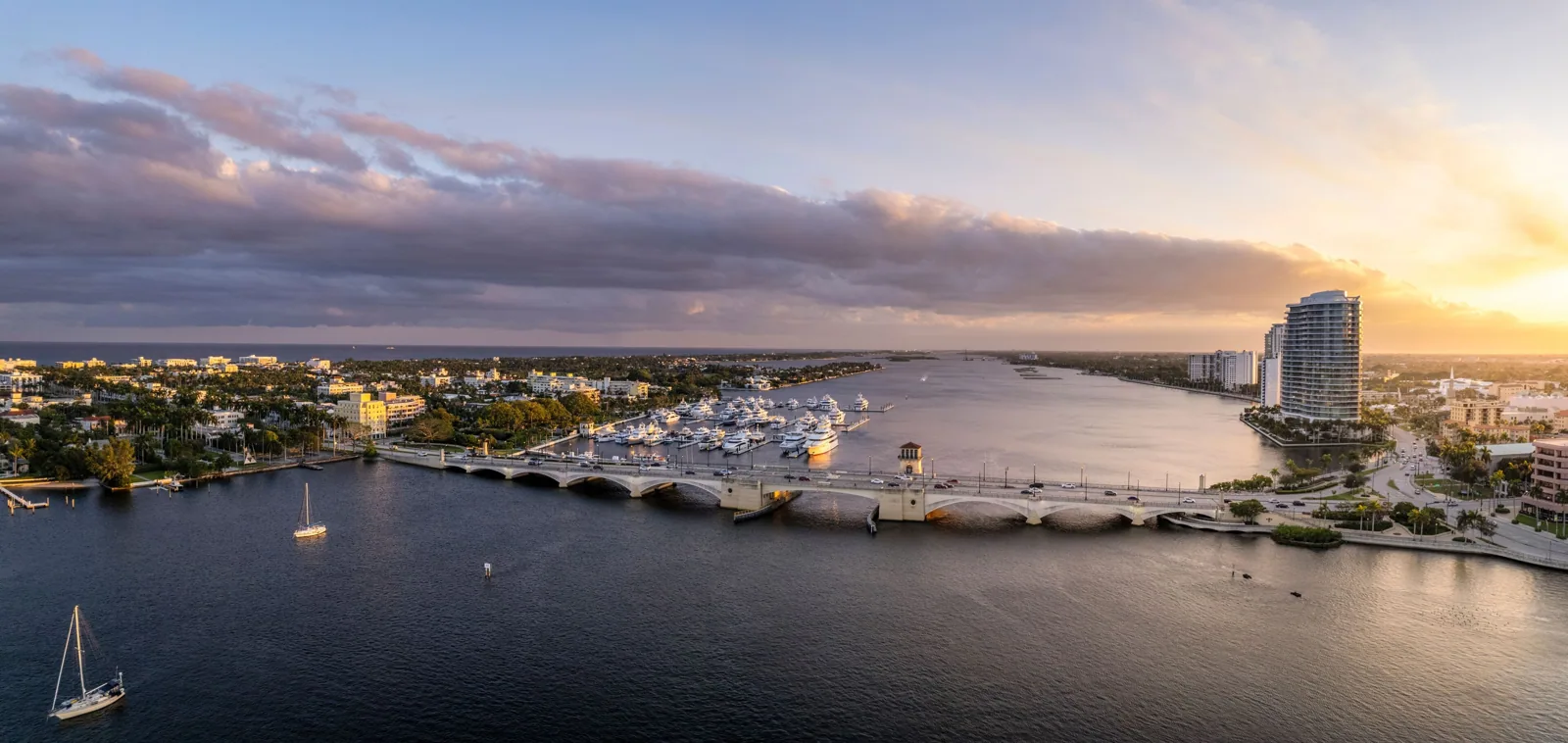
Commercial Roofing in Hallandale Beach, FL
Commercial roofing for condominiums, apartments, hotels, and shopping centers in Hallandale Beach, FL, with inspection findings that set the repair sequence.
A hotel roof, a condominium roof, and a shopping center roof can share the same weather and still fail in three different ways. Hallandale Beach, which sits next to Aventura with access to I-95, has coastal condominium and rental apartment buildings, hotels, shopping centers, and individual boutiques in its built environment, according to the regional economic alliance. Each use brings its own roof concerns: guest rooms and residences below, restaurant and mechanical equipment above, and a calendar that does not tolerate surprise. For an asset manager in Hallandale Beach, FL, the inspection finding comes first, and it decides which building gets the next work package.
Check the roofs people live under
Where residents sleep below the roof, a leak is a household problem as well as a property problem. For condominium and rental apartment buildings, we look first at flashing around vents, mechanical penthouses, and parapet walls, since those are the details where water most often finds a path. We trace any interior stain back to a roof location before recommending a repair.
Multi-unit owners must also think about who pays and who decides. An association or owner group needs a clear report: what failed, what it will cost to correct in qualitative terms, and what delay would add. Our apartment roofing work begins with a photographic condition record that the board or management company can circulate.
Roof access in multi-unit buildings is its own task. Hatches, ladders, and stair towers have to be safe and available, and residents should know when a crew will be overhead. We confirm the access path before the visit and photograph what we find, including blocked drains and abandoned equipment.
Keep hotel roof work out of the guest day
Hotels run around the clock, and roof noise, dust, and hoisting affect guest rooms and event spaces. Work is planned around check-in and check-out periods, with the noisy tasks scheduled for the windows when top-floor rooms are least occupied. Pool decks, kitchens, and mechanical rooms below the roof each add constraints we ask about at the start.
Rooftop equipment on hotel roofs may include exhaust for kitchens and laundry, cooling equipment, and lift machine rooms. Each is a penetration or a curb that needs a sound flashing. We inspect every one and rank them by condition, so repairs go to the most exposed details first.
Pool decks and terraces on upper levels are sometimes built over occupied space, and their waterproofing is a separate system from the main roof. When we find one, we note it in the report and recommend a specific inspection, because the repair method differs from the low-slope field.
Time retail roof work to the shopping calendar
Shopping centers and boutiques depend on foot traffic, and a fenced staging area or blocked entrance has a cost. We look at where customers enter, where deliveries arrive, and which sections of the roof sit over sales floors. The repair sequence starts with sections over storage or back-of-house space, leaving areas above sales floors for hours when stores are closed.
For a shopping center with several tenants, a single leak may trace to a neighbor’s rooftop unit. The inspection identifies which tenant’s equipment is the source and records the flashing condition, so the landlord can resolve responsibility with facts. Redevelopment area incentives noted by the Alliance may also change the capital timeline for owners planning improvements.
Parking and loading areas matter during lift operations. A boom lift or hoist needs firm ground and clear swing, and a busy lot complicates both. We stage in the least disruptive position, and we agree with the property manager on cones, barriers, and spotters.
Look harder at edges and fasteners near the coast
Wind lifts roofs at the edges and corners first. On coastal buildings, metal edge flashing and fasteners also face moisture-laden air that accelerates corrosion. We check the securement of coping and edge metal, the condition of fasteners, and the sealant joints along the perimeter. Loose metal in a summer thunderstorm can peel back and expose the membrane beneath.
Our market city of Pembroke Pines lies in the High Velocity Hurricane Zone and asks reroofers for a dedicated statement. Hallandale Beach has its own permit path, confirmed with its building department, and the edge metal and coping details are designed for whatever wind exposure that path sets.
Parapets and coping take the brunt of gusts. We run a hand check along every run for movement, look for open joints, and photograph any section that flexes under pressure. A short run of failed coping can be replaced before a storm, which is far cheaper than repairing the membrane that follows it off.
Set the day’s opening by the sky
Most of South Florida’s yearly rain, 60 to 70 percent by the National Weather Service estimate, falls between mid-May and mid-October, and near-daily storms follow from the mix of heat and moisture. July and August also bring the hottest weather, with a heat index that can reach or pass 100 degrees. Together they limit how long a crew can leave a hotel or condominium roof open and when sealants can be worked.
On hot days crews start early and break for heat, and each opening is sized to what can be dried in before the sky turns. Tropical systems are the late-season concern from August through October, so those phases carry a standing plan for securing the roof.
Choose the next work package
A building with a localized leak and dry insulation fits a leak repair now and a capital review later. A building with moisture in several zones or a membrane near the end of its range fits a replacement plan with phasing. In between, roof coating restoration can extend the life of a sound, dry roof, subject to compatibility.
Owners with property in Hollywood or Dania Beach can compare roofs on the same condition scale through a multi-site roof program.
Each of these options is explained in the report with its limits. A restoration will not fix wet insulation, and a repair will not stretch the life of a roof that is failing everywhere. The recommendation names the condition that rules an option in or out.
Commercial Roofing Questions
How do you trace a leak into a condominium unit back to the roof?
We start with the interior stain location and work upward, checking the nearest penetrations, parapet flashing, and seams. Water often travels along the deck or insulation before it shows inside, so the entry point can be some distance away. A moisture survey narrows the search, and selective openings confirm it.
Can hotel roof work avoid the busiest check-in hours?
Yes. Noisy and dusty tasks go into the windows the property manager identifies, and the crew uses quieter methods near occupied rooms. We ask for the event calendar and room blocks before drafting the schedule, and we update the plan if the property changes it.
What affects roof timing for a boutique retail strip?
Store hours, delivery schedules, and the placement of rooftop units drive timing. The crew can work over storage areas during the day and over sales floors after closing. Material drops and lift placement go on a staging drawing so customers and deliveries are not blocked.
Are corroded fasteners a reason to replace the roof?
Not by themselves. Corroded fasteners at an edge or curb can often be replaced with the right hardware. Widespread fastener failure across the field, along with a membrane that is lifting, points toward a larger scope. The inspection shows the extent.
How does the wet season change a hotel reroof?
It limits the area opened each day and calls for a weather watch on the roof. Interior protection stays in place, and the plan includes a hold point when storms approach. Phases scheduled in August through October carry extra contingency for tropical systems.