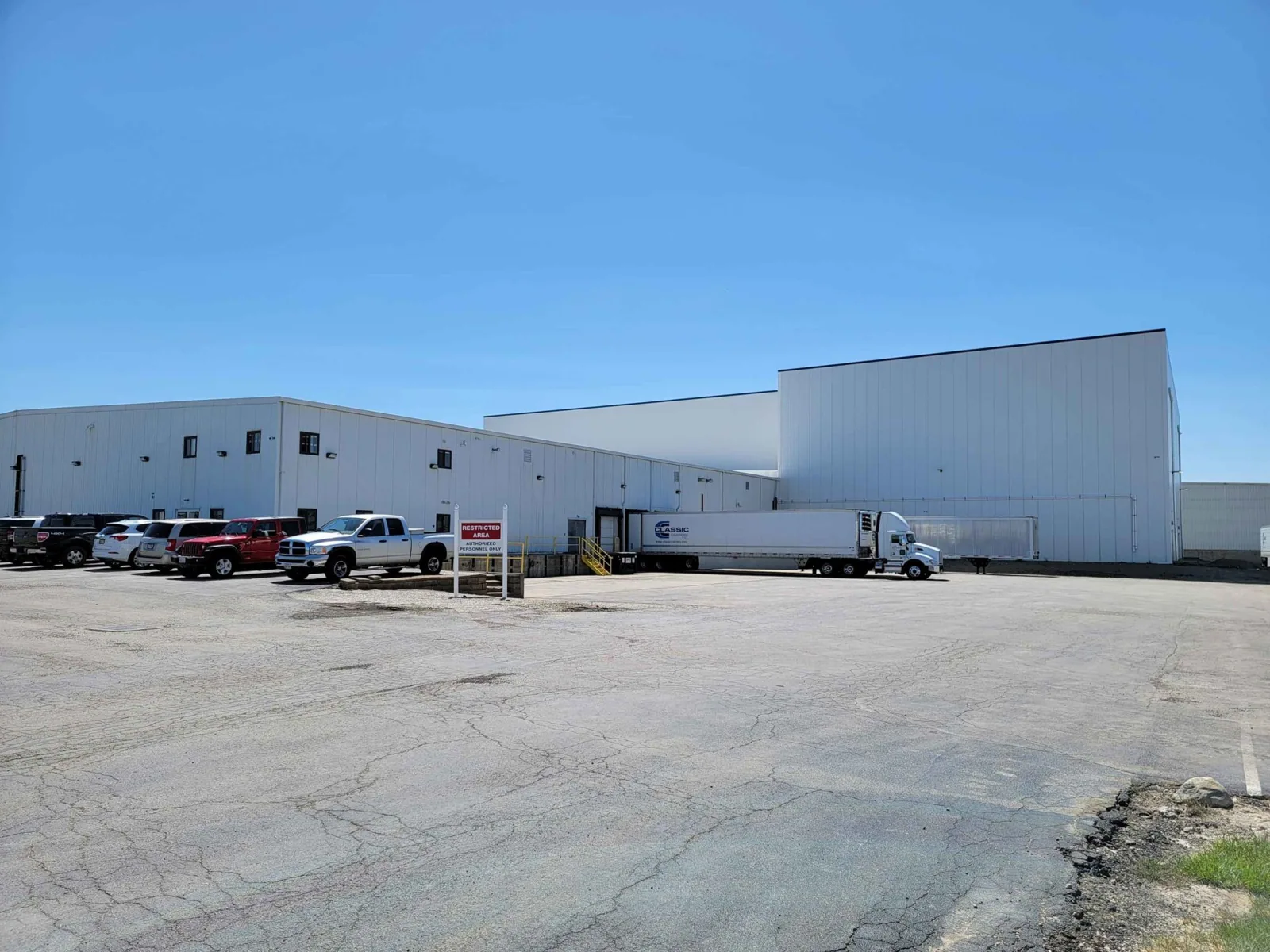
National Guard Armory Roofing in Pembroke Pines, FL
Roof inspection, repair and replacement planning for National Guard armories and readiness centers near Pembroke Pines, FL, around training schedules.
One wet patch of insulation near a drill-hall wall can decide whether an armory roof gets a repair this year or a replacement in the next budget cycle. The reason is the room below: a large open floor used for training cannot absorb ceiling drips the way a storage bay can. The nearest example to Pembroke Pines, FL is the Miramar Readiness Center, which the Florida Department of Military Affairs owns and which serves Army National Guard training and readiness, within roughly ten miles by a conservative straight-line bound. We start with a moisture finding, then define what can stay, what must go and when the work can happen.
Find the wet insulation first
An armory roof, like any low-slope roof, can look intact while water sits in the insulation. We map moisture with an infrared survey where conditions allow, confirm with probes or small cuts and mark the wet area on a roof sketch. The sketch becomes the removal boundary: wet material comes out, dry material that remains attached and suitable can be retained.
That distinction drives cost, and it is the point where an armory owner can choose a phased route: repair the wet zone now, then plan the remainder as a later work package. Removing only the affected insulation and replacing it with a compatible layer costs less than a full tear-off and finishes sooner. If moisture is spread across several areas, or the same detail has been repaired more than once, the finding supports a broader scope, such as a recover or full replacement. A related setting is an Army installation building, where the same evidence feeds a wider set of access rules. An infrared moisture survey gives the owner that evidence before money is committed.
Work around the training calendar
A readiness center exists for training and readiness, so the schedule of use sets the roof schedule. Drill weekends, unit assemblies, equipment maintenance and community or ceremonial events all compete for the same floor and parking. We ask the facility contact for the calendar of use and the dates when the building must be fully available, and we plan the noisiest tasks for periods when fewer people are present.
The interior below the work needs protection. Where a drill hall or classroom is under an opening, we agree on protection above the ceiling, a daily closing time and a plan for any leak that occurs despite precautions. Our occupied building reroofing method divides the roof into sections that can be dried in within a shift, so the building can return to use the next morning. A drill hall has a large volume and often a high ceiling, so dust and fumes that rise to the roof deck can also drift down, and we place intakes and exhausts on the roof sketch before choosing adhesives.
Treat equipment, vents and penetrations as separate items
The contractor that built the Miramar facility lists civil, structural, architectural, HVAC, plumbing, fire-protection and electrical work, which is useful evidence of the range of building systems an armory holds, but it says nothing about the roof. Roof-mounted equipment, vents and conduits each create an opening, and we map them before pricing. Every curb and pipe is a leak path if its flashing is old.
We check equipment curbs and supports for movement, sealant failure and standing water, and we record which trades will need access after the work. If equipment must be lifted for roofing, the lift is coordinated with the building's maintenance staff and recorded so the equipment is reconnected and tested. Where a vent or exhaust is abandoned, we remove or cap and flash it properly, because an unused penetration is a leak path with no benefit.
The same discipline applies if a nearby hangar or maintenance building is part of the owner's portfolio; military hangar and maintenance facility roofing shares the interface questions at doors and walls but adds large-span and aircraft concerns.
Understand state ownership and approvals
When a state agency owns the building, procurement, review and approval steps shape the schedule. The Florida Department of Military Affairs' construction and facility office is the owner of record for the Miramar facility, and state-owned buildings generally move through written scopes, product data and engineer review before work begins. We prepare a scope document that states the existing assembly, the proposed system, the removal boundary and the temporary protection plan.
Because the city sits in the hurricane zone, the reviewer may ask for the commercial reroof statement and the insulation certification that the city's permit resources list. We assemble those with the scope so review questions are answered in one package. A government building roof project can stall on missing paperwork even when the roof work itself is simple, so we treat the package as part of the scope. For recordkeeping, roof condition reports give the owner a dated baseline to attach to the file.
Respect hurricane-zone detailing and the wet season
Hurricane-zone rules apply citywide, with Exposure C as the stated default and Exposure D where ASCE 7-22 requires it. The 8th Edition (2023) of the Florida Building Code is the one now enforced. Edges, corners and penetrations are detailed for the highest uplift, which is also where armory roofs tend to leak first.
The wet season runs May 15 to October 15 by the National Weather Service definition, with near-daily storms and a stormiest phase from mid-May to early July. We schedule openings so that no section remains uncovered when a storm approaches. For armories in Miramar and nearby, the practical result is a schedule weighted toward the drier months, with a contingency for weather days written into the contract. Summer heat is the other limit; at the Pembroke Pines station a normal July afternoon reaches 91 to 92 degrees Fahrenheit, and that shapes adhesive working times and crew rotation.
Commercial Roofing Questions
Where is the nearest readiness center to Pembroke Pines?
The Miramar Readiness Center is the closest we have confirmed. A conservative straight-line bound puts it within about 10.3 miles of the Pembroke Pines weather station. That is a geographic bound and not a driving distance, and gate procedures add time that we price separately.
What does an armory roof inspection record?
Layers and attachment, drainage, seams and flashing, penetrations and equipment, and any wet insulation, with the roof area and the room below it noted for each finding. We add photographs, a sketch and a short list of findings ranked by consequence. The report shows what can be retained, what must be removed and what question needs an engineer.
Can an armory stay open during a reroof?
Often, with sectioned work, daily closing and agreed hours; the answer depends on how much of the floor the opening sits over and whether the unit calendar leaves quiet windows. The facility contact tells us when the building is needed, and we hold the noisiest tasks to quieter periods. Temporary protection stays staged in case a storm arrives before a section is sealed.
How do storm limits affect the schedule?
During the wet season, afternoon storms are frequent. We open only what can be closed before the usual storm window, stop for lightning and plan weather days into the contract. Work in the drier months moves faster.
What paperwork do state-owned buildings require?
A scope with the existing assembly, proposed system, removal boundary and protection plan, plus product data and any permit forms. We prepare the package for the owner's review and respond to questions.